


In the last year alone, a series of plane crashes and airport incidents have made headlines across the globe. Predictably, these alarming incidents have forced airlines and airplane manufacturers to take a closer look at the technology in their planes and their processes. Airline customers and various regulatory agencies are rightfully demanding faster, safer, and smarter solutions when it comes to commercial airline travel.
This is where artificial intelligence through machine learning can step in to make a considerable difference in the field of aviation. Already, artificial intelligence has transformed many industries, allowing companies to produce better products more efficiently.
In aviation, artificial intelligence is already enhancing the passenger experience on many commercial airlines, with AI improving customer service departments across various airlines, among other aspects of the business. In the coming years, experts predict that artificial intelligence and machine learning will completely transform many passenger jets and airports across the world. How?
Artificial Intelligence Allows Smarter Security & Passenger Screening
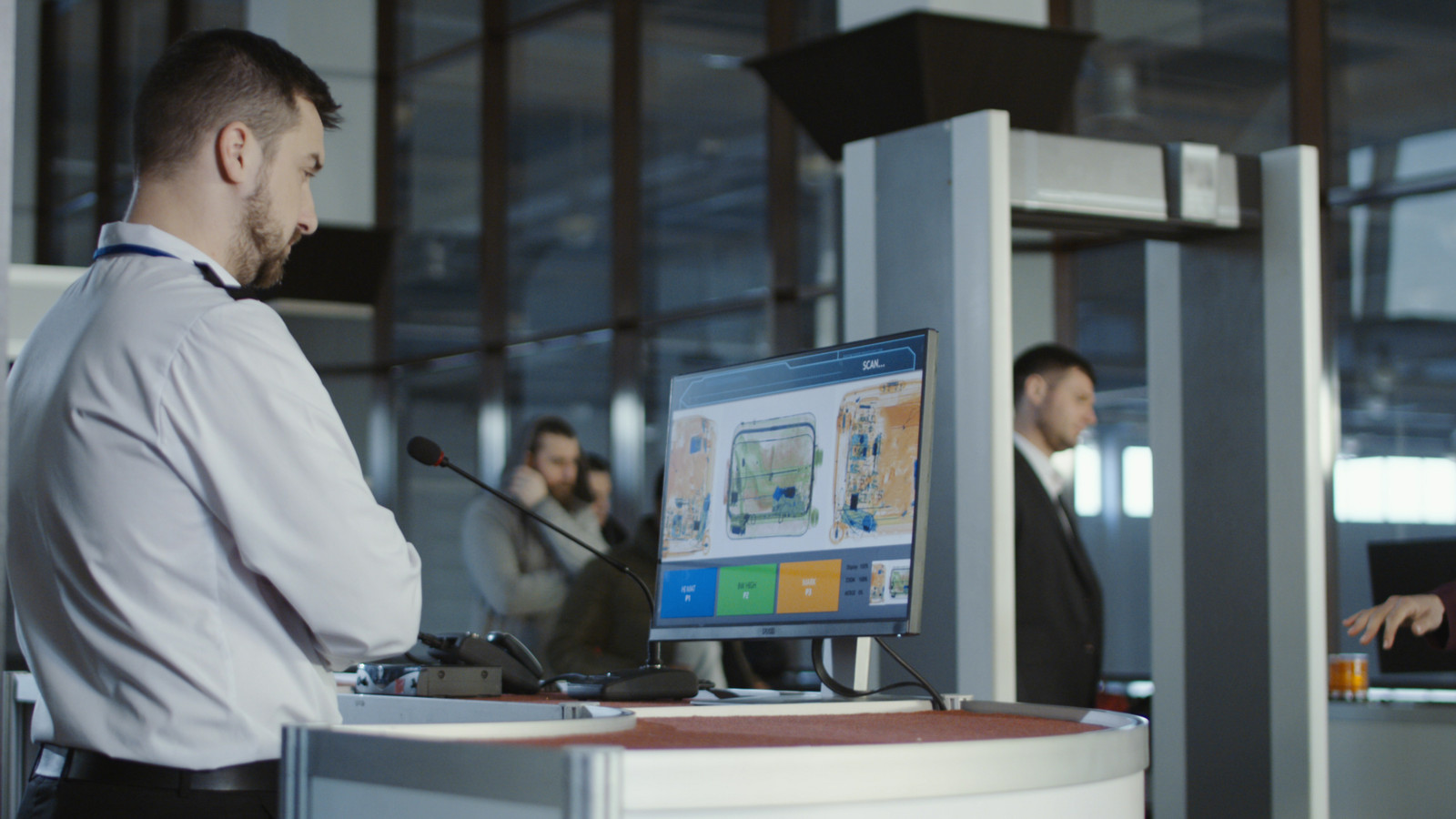
Perhaps one of the most tedious yet important aspects of the flying experience involves the security process, which can often take a considerable amount of time for passengers without services such as TSA PreCheck, which comes with its own set of pros and cons. In most countries, commercial airline passengers must send their luggage through a screening device of some sort, which often relies on a security agent who analyzes X-rays or other images of the bags that pass through the screening device.
Passengers must also either pass through a 3-D scanner or a metal detector, which also relies on human intervention to review results and determine whether additional screening is needed. These conventional methods of screening, which involve human intervention, can result in banned items such as contraband occasionally passing through, or the occasional instance where a security agent mistakenly pulls a bag aside for additional screening only to find no prohibited items. At best, this results in longer lines and missed flights. At worst, it could result in contraband passing through airports and potentially lead to avoidable consequences.

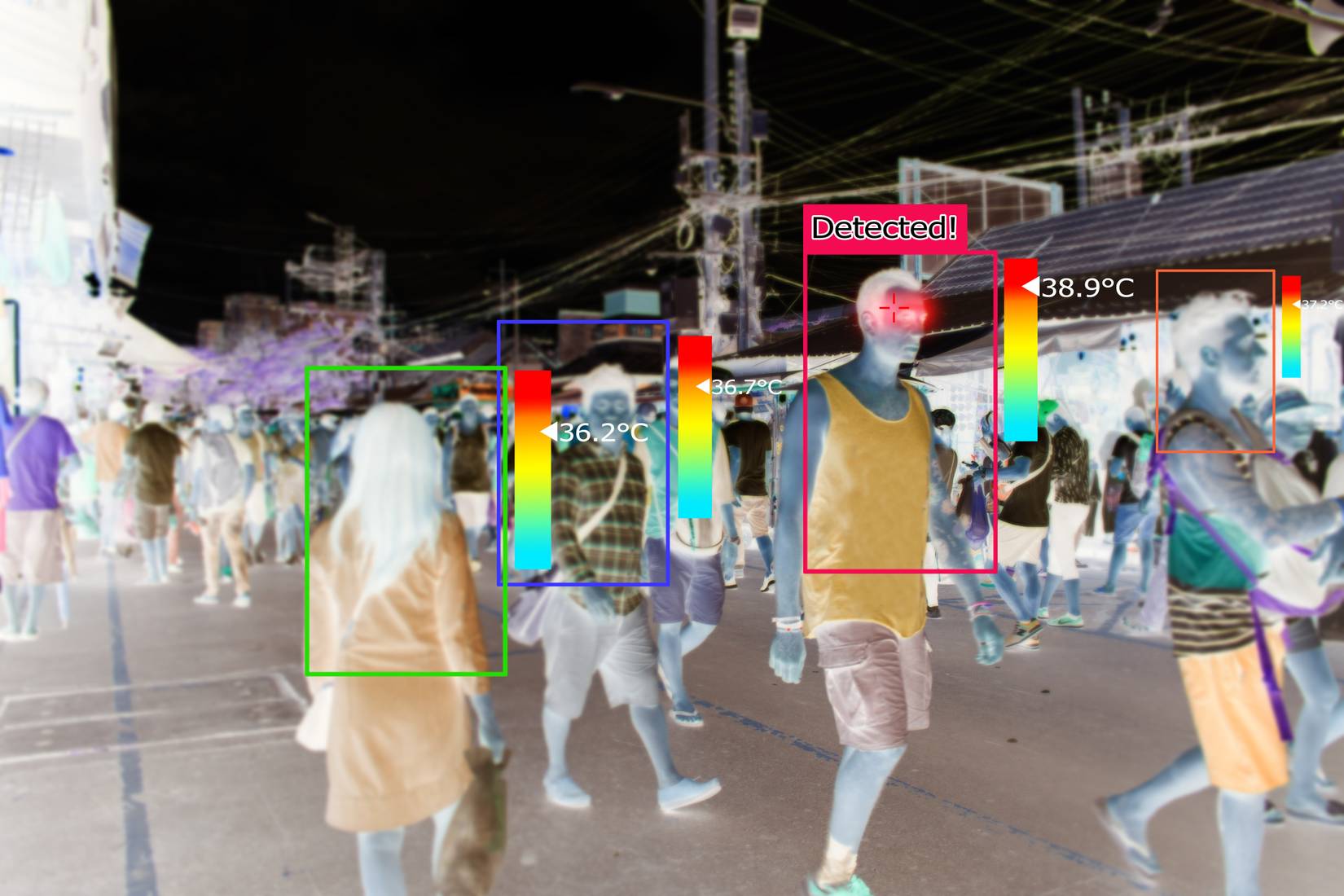
Artificial intelligence and machine learning have already proved to be vital tools in the security and passenger screening process, allowing security agencies to scan bags more efficiently and effectively. By using artificial intelligence, security agencies can detect contraband and most other prohibited items far more accurately than before, while also respecting the privacy of passengers. In December 2024, the United States’ Transportation Security Administration (TSA) published a report on its website about how it uses AI to improve security measures.
This includes a list of ways AI is used in both the pre-deployment and deployment stages of security, noting that these mechanisms help to reduce false alarms and improve security overall. More specifically, the TSA notes, “the Transportation Security Administration (TSA) uses AI in its day-to-day activities to protect the nation’s transportation systems to ensure freedom of movement for people and commerce.”
“The Transportation Security Administration (TSA) uses AI in its day-to-day activities to protect the nation’s transportation systems to ensure freedom of movement for people and commerce,” TSA
Although security screenings and passenger security serve as one of the most noticeable ways that the airline industry and government agencies are improving the passenger experience with artificial intelligence, it is not the only way AI is making flying better. In fact, AI is helping airports to revolutionize their operations entirely, making the airport experience itself less stressful.
Beyond Security, Machine Learning Is Making Airports More Efficient


Nothing puts a damper on a long-awaited vacation like a layover at a busy and, at times, chaotic airport, or even worse, lost luggage. Millions of people use commercial airlines every year in the United States, and many American airports, especially hubs, have become increasingly crowded. This increase in crowding has made the jobs of airport employees significantly more difficult and has increased the likelihood of human errors.
However, like with security and screening, machine-learning-driven AI has begun to alleviate the pressure on airline employees by streamlining many routine yet complicated airport processes that many airline passengers often take for granted. In many airports across the United States, AI is helping to improve the baggage handling and lost luggage prevention processes. It allows airlines and airports to more accurately track baggage and ensure it arrives at the right destination.
AI for Airport Operations
- Screening & security
- Baggage handling & Lost luggage tracking
- Streamline staffing, scheduling, and resource management
- Enhance sustainability
In addition to improving the baggage handling process, artificial intelligence is helping to streamline staffing, scheduling, and resource management. It has already proved useful in these tasks in other offices and industries, helping to ensure that businesses and operations are fully staffed. Then, of course, comes the use of artificial intelligence to enhance sustainability, which not only cuts costs but also helps to protect the environment. These savings typically trickle down to consumers, making the airline travel process cleaner and less expensive.
The Future Of An AI-Powered Aviation Industry
Airplanes and the flying experience have advanced considerably since Orville and Wilbur Wright conducted the first known flight in history in 1907, which history buffs and beach lovers can learn more about at the Wright Brothers National Monument in Kitty Hawk, North Carolina. With the help of artificial intelligence, flying is being transformed into an interactive and exciting experience rather than a miserable and mundane one, and an uneasy task for some to get from point A to point B.
In addition to the improvements to security and airport operations, AI is assisting airlines and airports across the world in improving the customer service experience for passengers. This has come in the form of advanced chatbots, which assist in the customer service process. Before these advanced chatbots were developed, customers would often have to sit on the phone for long periods of time, hoping that a person would eventually answer their call. Now, a highly intelligent and sophisticated chatbot can assist people much faster and, at times, more effectively.


Certain airports are also using AI to provide customers with information about the airport and how to travel throughout a given airport in a multitude of languages. Some of the airports that lead the world in AI innovation include Atlanta’s Hartsfield-Jackson Airport, which serves as the busiest airport in the world, and Dubai International Airport, which serves as a crucial international gateway to the Middle East.
AI Impacting the Job Market
Although the future seems bright as it pertains to the integration of AI into the airline industry, these improvements come with challenges. Primarily, AI has the potential to replace the jobs of employees across the airline industry, requiring professionals to upskill themselves constantly. Like most other advanced technologies, AI has the potential to develop bugs and errors, which require skilled staff to update and maintain complex systems, further offering the potential for an entirely new industry of skilled technical workforce.
link