Decentralising finance: digital payments and the shifting of global currencies
For the African continent, implementation of the G20 Roadmap for Enhancing Cross-border Payments is essential for other ongoing initiatives including the Pan-African Financial Coordination Platform, for overcoming scalability constraints, including smaller economies’ with limited capacity and expensive remittance corridors, and for bolstering cross-border investment. Strong local payment systems will ensure resilient coordination and interoperability among multilateral development banks (MDBs) and National Development Banks (NDBs) including through new financial instruments, risk-sharing tools, and country-led investment.
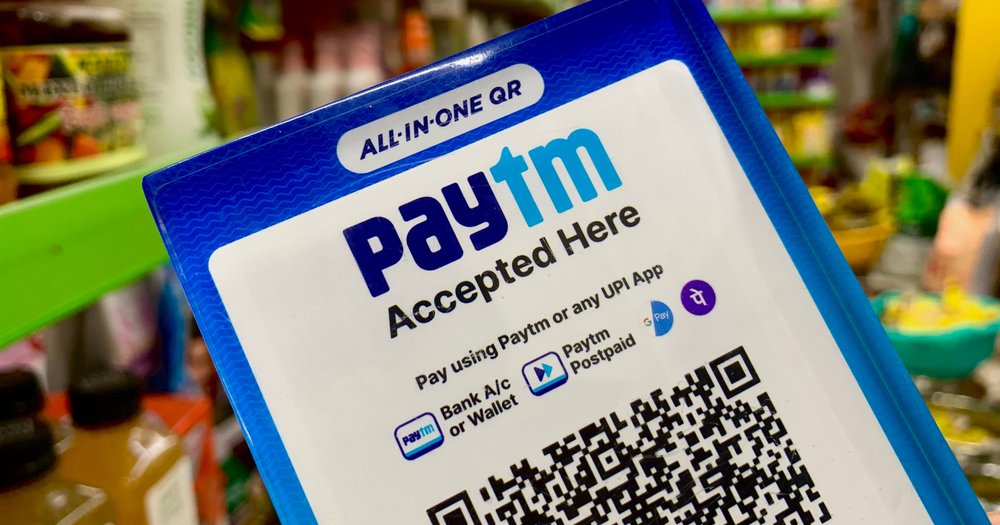
Historically, the US dollar was indispensable because alternative routes for cross-border settlement were slow or expensive. Through the development of rapid cross-border payment systems, that barrier is dissipating. India’s rapidly expanding Unified Payments Interface (UPI), is being incorporated into networks across Asia, the Middle East, Africa, and most recently with Europe. In Latin America, Brazil’s PIX has emerged. This transformation is also evident in global trade finance where the dollar dominates: between September 2024 and October 2025, its share dropped by roughly three percentage points to 80.5 per cent from 83.6 per cent. And, as of October 2025, the renminbi continues to slightly surpass the EUR; both cover roughly 7 per cent of global trade finance.
China’s Cross-border Interbank Payment System has steadily become a parallel RMB-based settlement mechanism for renminbi-based trade. Regional platforms in Southeast Asia, such as DuitNow and PromptPay, have reduced dependence on the US dollar for intraregional trade settlement and have effectively started to eliminate the structural necessity of routing payments through the US dollar – because no other options exists. The ability to settle directly within region between exporter and importer, using interoperable digital systems that bypass US banks, will continue to weaken the US dollar network externality, with reserve demand likely to follow.
Emerging and developing market policymakers are increasingly motivated by operational risk management considerations. To the extent that US dollar dependence also constitutes concentrated risks – linked to sanctions, policy uncertainty and geopolitical shifts – the rise of new digital payment systems provides more options. These include faster settlement and the ability to denominate trade in currencies tailored to bilateral or regional needs – that will likely be more cost effective. As these options multiply, the dollar’s necessity in some regions could diminish. US dollar dominance will continue but could erode as the global landscape becomes more pluralistic, and multi-polar. This transition becomes harder to reverse as new and alternative systems mature.
link